Welcome to the web site for NOAA Research, NOAA's Office of Oceanic and Atmospheric Research

skip to content

Search  this web siteSEARCH  |  SITEMAP

Providing a
Research
Foundation
for NOAA in:

Climate

Oceans, Great Lakes and Coasts

Weather and Air Quality


 in the spotlight

Workers install the radiating face of the phased array antenna during construction of the NWRT.The Future of Weather Radar -- NOAA researchers are looking to the future to address current and anticipated radar needs. Researchers envision a multifunction phased array radar, with its versatility and adaptive scanning capability, which promises to address a wide variety of national surveillance needs for both weather and aircraft.


in the news

Yasuhiro Kato and Dr. Spinrad sign document beneficial to marine science and technology development between the two agencies.NOAA and Japan Partner Research and Technology Development -- This MOU establishes a framework encouraging joint activities in reference to ocean and climate research and technology development.

NOAA Scientists Among Finalists for Top Public Service Awards -- Two NOAA Research scientists were selected by the Partnership for Public Service as finalists for the 2008 Service to America Medal. Dr. Alexander (Sandy) MacDonald and Dr. Eddie Bernard were selected for their life-saving and educational inventions.

NOAA Selects Two Universities for Arctic and Climate Research Programs -- NOAA announces the competitive selection of collaborative research partners at the Cooperative Institute for Arctic Research (CIFAR) located in Fairbanks, Alaska, and the Cooperative Institute for Climate Science (CICS), in Princeton, N.J. The groups will join NOAA to conduct research in climate change, greenhouse gases, and changes to Arctic ice coverage.

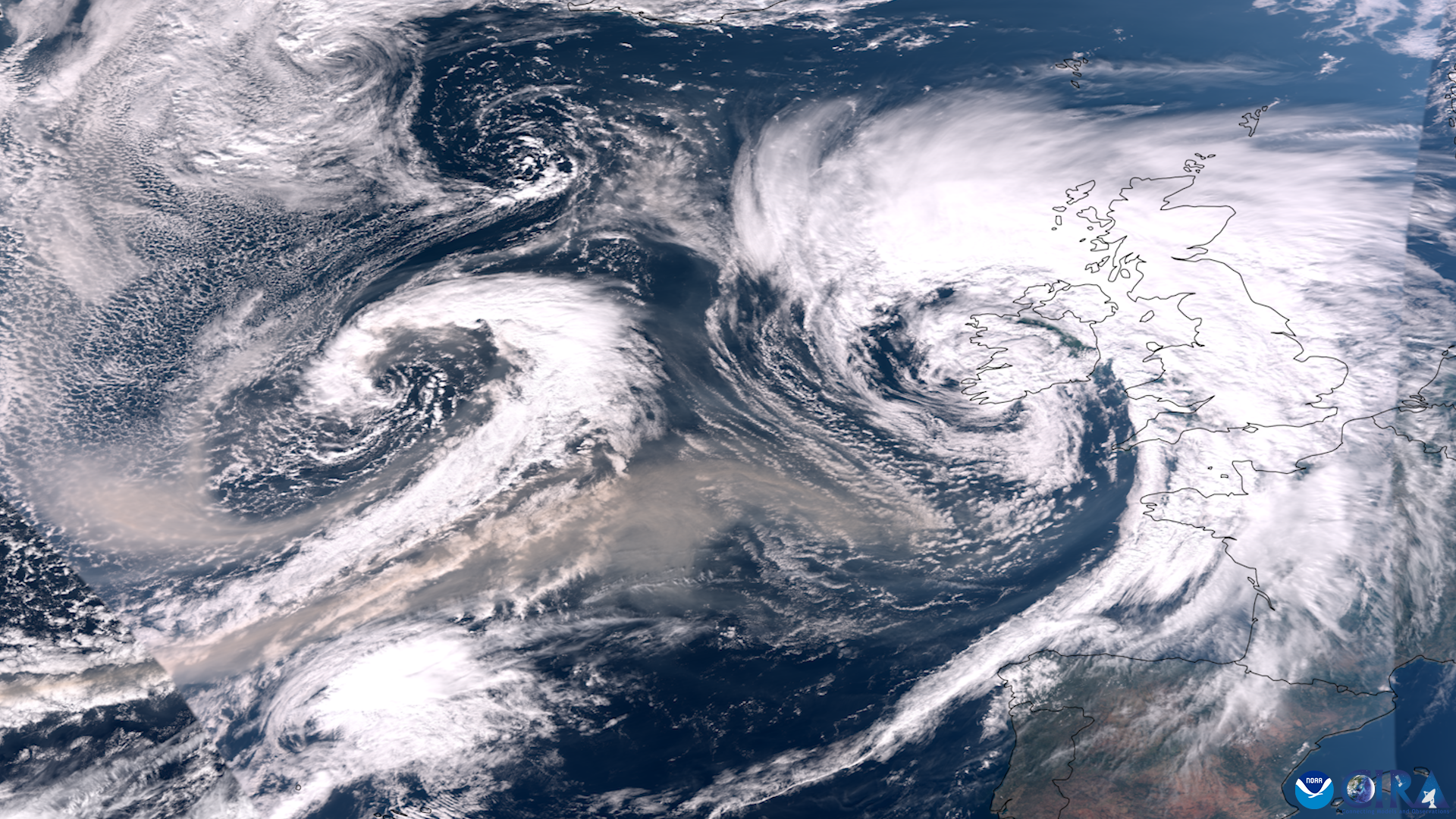
Avoiding Turbulent Travel -- ESRL scientists create forecaster tools and weather displays that increase flight efficiency and safety, and minimize delays; these tools allow air traffic controllers, managers, and aviation dispatchers to make informed decisions about how to route planes around the path of severe weather events and even volcanic ash plumes.Susan Solomon

NOAA Scientist Elected to The Royal Society -- NOAA Senior Scientist Susan Solomon, whose pioneering research has helped explain the cause of the ozone hole and for her leadership as co-chair of Working Group 1 for the recent Intergovernmental Panel on Climate Change assessment report, has been elected as a Foreign Member of The Royal Society of the United Kingdom.

Constituent Relations

Maintaining an active constituent relations program ensures that OAR and NOAA leadership communicate effectively and often with their most important customers. The recent Severe Weather Research Roundtable solicited input to ensure NOAA’s research priorities will enable us to ensure NOAA is able to provide the observations, sophisticated forecast models, and state-of-the-art technologies our partners and customers will require in the future.


Learn about
NOAA RESEARCH
-- from A to Z!

C is for CLIMATE: RESEARCH HIGHLIGHTS – Check out the summaries, graphics and animations by NOAA’s Geophysical Fluid Dynamics Laboratory, highlighting our global climate modeling efforts in support of the IPCC and the US Climate Change Science programs. [more]

NOAA Research Matters PODCASTS

Chris MeinigChris Meinig, Director of Engineering, NOAA Pacific Marine Environmental Laboratory

Subscribe to NOAA Research Podcasts [RSS] podcast icon

research.noaa.gov
Updated 6/25/2008


U.S. Department of Commerce
National Oceanic and Atmospheric Administration

CONTACT US | PRIVACY POLICY | DISCLAIMER
Freedom of Information Act (FOIA) | Information Quality |  USA.gov